
How to Choose Matcha Powder for Cafés, Retailers, and Beverage Brands in 2026
Looking for matcha powder for cafés, retail, hospitality, or beverage development? Here’s how international buyers can choose the right China-grown matcha for lattes, daily rituals, product development, and wholesale.
Matcha is no longer a niche ingredient.
Across cafés, restaurants, wellness brands, hotels, bakeries, and retail shelves, matcha has become one of the most recognizable ingredients in modern food and beverage culture.
It is used in iced lattes, hot drinks, smoothies, desserts, pastries, bottled beverages, soft serve, chocolate, functional drinks, and at-home rituals.
For international buyers, this creates a clear opportunity.
But it also creates a challenge.
As matcha demand grows, choosing the right matcha powder is becoming more important. Buyers are not only looking for a beautiful green powder. They need matcha that tastes good, performs well, can scale, and fits the needs of real daily service.
At La Matcha, we believe matcha should be premium, but not complicated.
We are a Chinese matcha lifestyle brand created to bring China-grown matcha into modern daily life. Through our stores, products, and wholesale direction, we work with matcha not only as a tea, but as a lifestyle ingredient for cafés, retailers, hotels, restaurants, and global buyers.
Here is what to consider when choosing matcha powder for your business.

China-grown matcha powder for cafés and wholesale buyers by La Matcha
Start With the Use Case
The first question is simple: How will you use the matcha?
Not every buyer needs the same type of matcha powder.
A café making iced matcha lattes every day has different needs from a retailer selling premium matcha tins. A bakery using matcha in cookies or cakes has different needs from a hotel creating a wellness drink menu.
Before choosing a matcha powder, define your main use case.
Common use cases include:
Matcha lattes
Iced matcha drinks
Hot whisked matcha
Retail matcha powder
Desserts and pastries
Bottled drinks
Smoothies
Functional beverages
Hospitality welcome drinks
Gift sets
Private-label products
For cafés and beverage brands, the best matcha is not always the most expensive one. The best matcha is the one that works consistently in your product.
It should mix smoothly.
It should taste balanced.
It should hold its color.
It should work with milk, plant-based milk, water, or other ingredients.
It should create a drink customers want to order again.
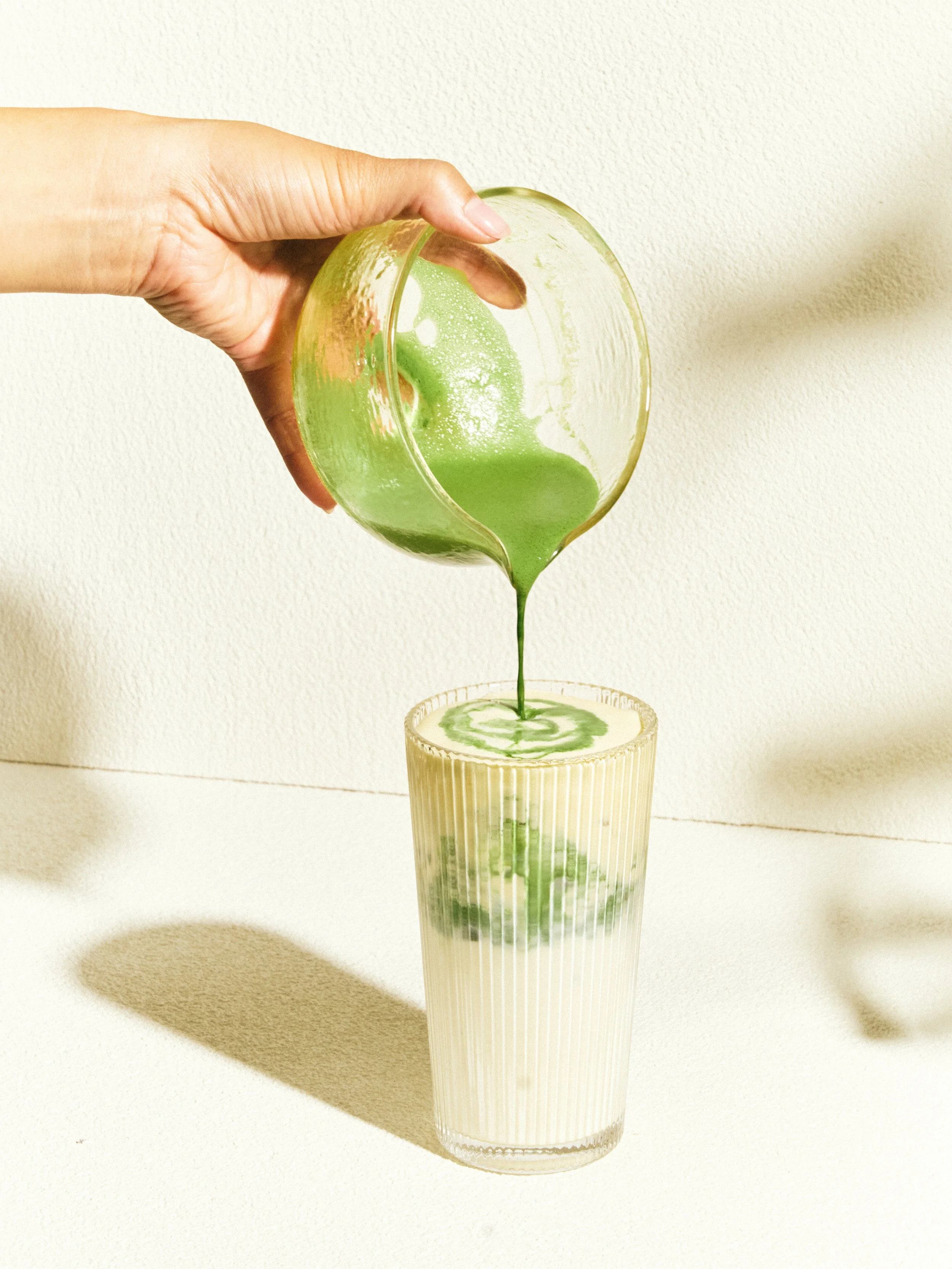
Matcha powder for iced matcha lattes and café menus
2. Look for Good Color, But Do Not Judge by Color Alone
Color matters in matcha.
A bright, natural green color often signals young leaves, careful processing, and freshness. For café drinks, color is especially important because matcha is visual. Customers often decide if a matcha latte looks high quality before they taste it.
But color should not be the only factor.
Some matcha powders look very green but taste too bitter. Others look beautiful in photos but do not mix well in service. Some may lose color quickly when blended with milk or used in recipes.
A good matcha powder should have balance:
Natural green color
Fresh aroma
Smooth texture
Low grittiness
Balanced bitterness
Clear tea flavor
Good performance in drinks
For international buyers, this is especially important because matcha is both an ingredient and a visual product.
It needs to taste good, but it also needs to look good in the final cup.
3. Understand the Difference Between Ceremonial, Latte, and Culinary Use
The matcha industry often uses terms like ceremonial grade, premium grade, latte grade, and culinary grade.
These terms can be useful, but they are not always legally standardized across every market. That means buyers should not rely only on the grade name. They should test the powder in the way they plan to use it.
For example:
Ceremonial-style matcha should be smooth, fine, and suitable for whisking with water.
Latte matcha should have enough strength to hold its flavor when mixed with milk.
Culinary matcha should be suitable for desserts, baking, ice cream, chocolate, or food production.
For cafés, matcha latte performance is one of the most important tests.
Ask:
Does it mix smoothly?
Does it taste too bitter with milk?
Does it still taste like matcha after adding milk?
Does the color stay attractive?
Does it work both hot and iced?
Can staff prepare it quickly during busy service?
For retailers, the test is slightly different.
Ask:
Is the powder easy for customers to use at home?
Does the packaging explain how to prepare it?
Does the product feel premium but approachable?
Can the customer understand the difference between products?
Is the flavor suitable for daily drinking?
The right matcha powder should match the customer experience you want to create.
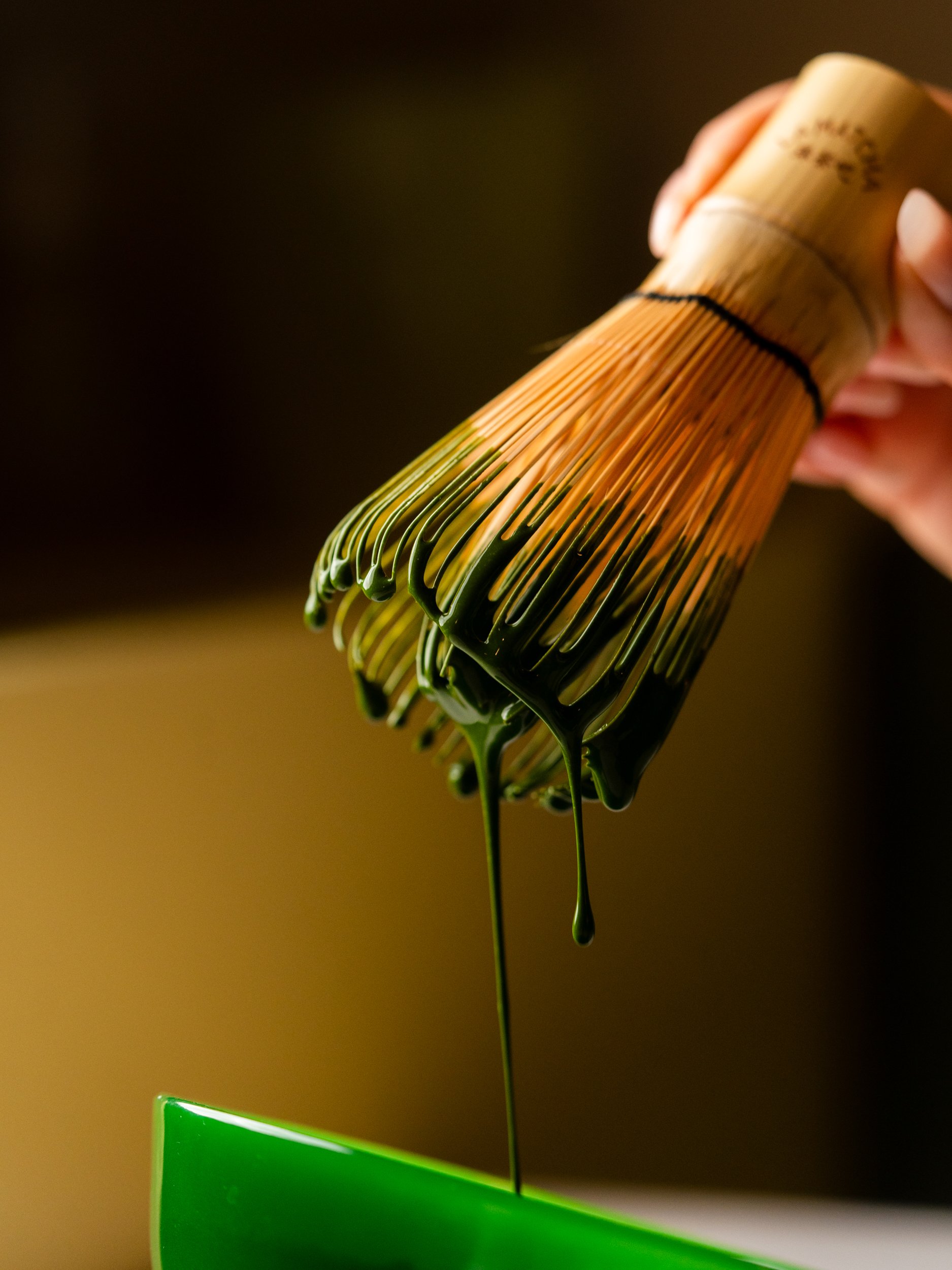
Chinese matcha powder being whisked for café drinks and daily rituals
4. Consider China-Grown Matcha as a Serious Supply Option
Matcha is often associated with Japan, and Japan has played an important role in refining and popularizing matcha culture globally.
But powdered tea also has deep historical roots in China.
Today, China-grown matcha is becoming increasingly relevant in the global matcha conversation because of China’s tea heritage, agricultural capacity, production scale, and growing export potential.
For buyers, China-grown matcha can offer several advantages:
Strong tea-growing regions
Competitive production capacity
Growing matcha expertise
Ability to support larger volume needs
Opportunities for product development
A fresh origin story for modern consumers
A different positioning from traditional Japanese matcha
This is especially important as global demand for matcha continues to grow across cafés, food service, wellness, and retail.
China-grown matcha is not just an alternative.
It is becoming part of the future of global matcha supply.
Click here for more information on matcha’s Chinese tea roots.
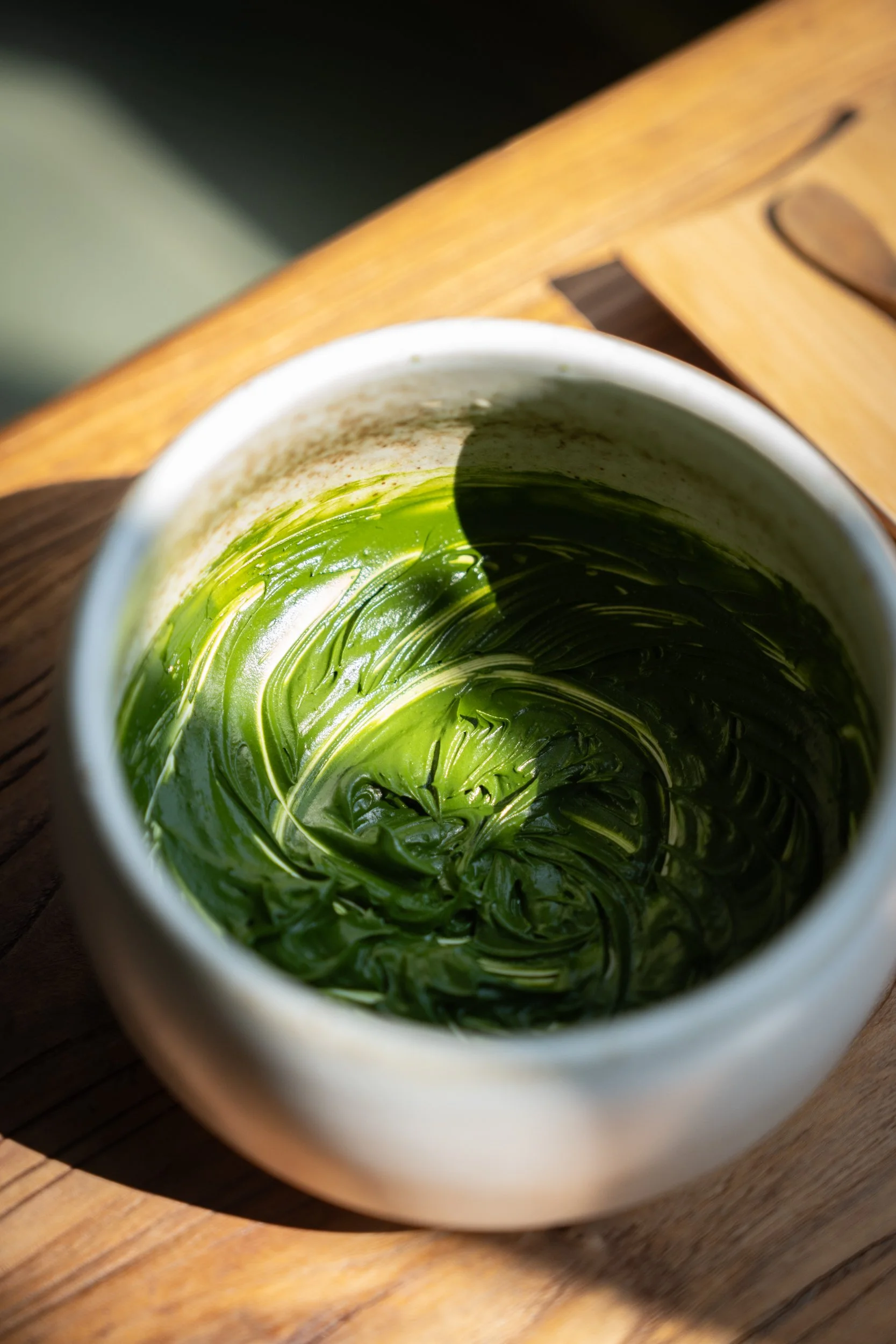
Our matcha is grown in the regions of Hangzhou, Guizhou and Sichuan of China
5. Choose a Supplier With Product Understanding, Not Just Powder
For cafés and retailers, a matcha supplier should do more than sell powder.
A strong supplier should understand how matcha works in real life.
Can the powder be used in iced drinks?
Can it work in milk-based drinks?
Can it be used in desserts?
Can it support retail sales?
Can it help tell a story to customers?
Can it support both taste and brand positioning?
This is where La Matcha is different.
La Matcha is not only a matcha powder supplier. We are also a Chinese matcha lifestyle brand with real customer-facing stores.
That means we test matcha in daily drinks, customer routines, retail products, and modern café applications.
We understand that matcha needs to be beautiful, but also practical.
It needs to photograph well.
It needs to taste good.
It needs to be easy to prepare.
It needs to fit into daily habits.
It needs to work for both first-time matcha drinkers and matcha lovers.
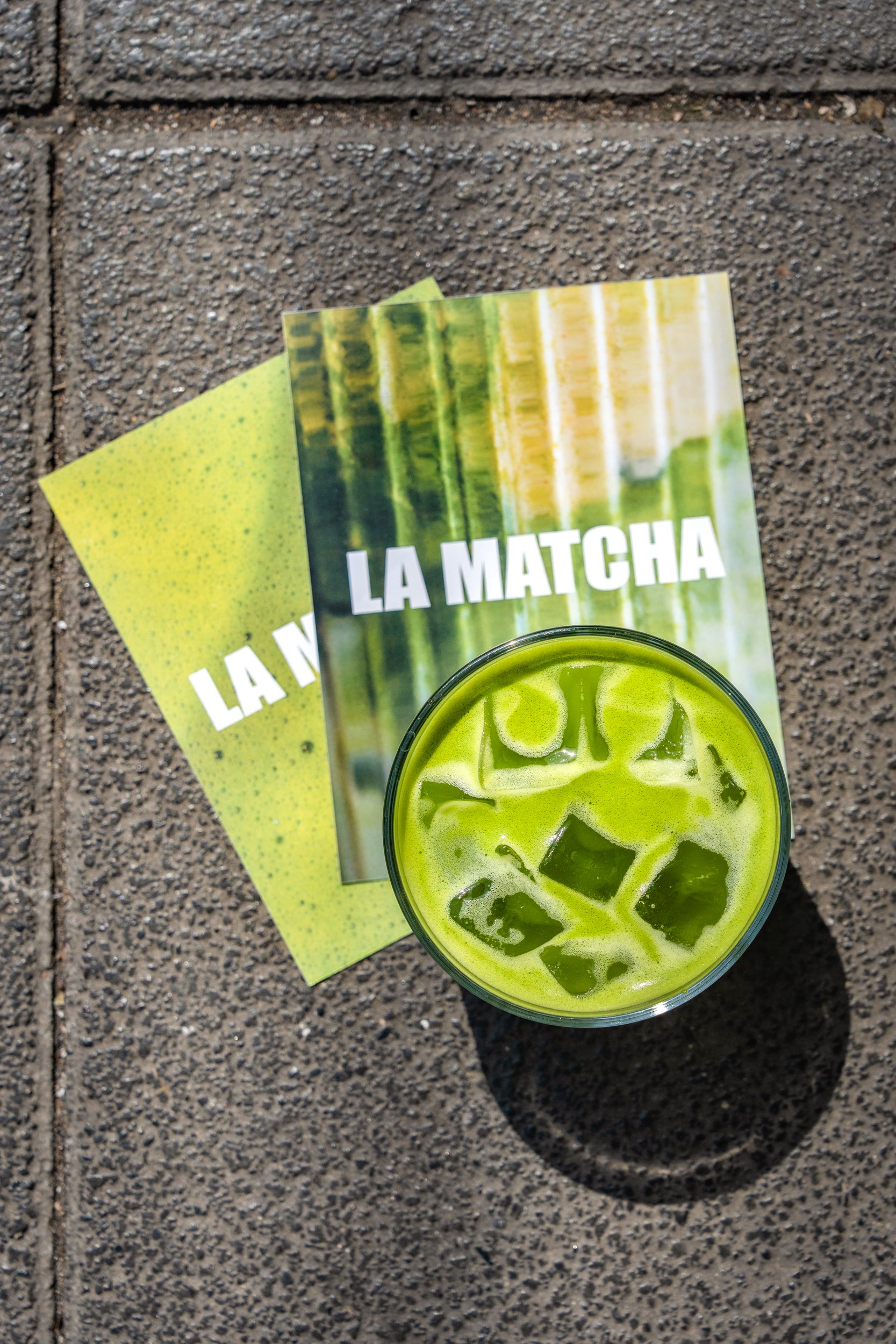
La Matcha serving modern Chinese matcha drinks
6. Think About the Story Your Customers Will Buy Into
Modern consumers do not only buy ingredients. They buy meaning.
Matcha is appealing because it connects many things people care about:
Daily rituals
Natural energy
Wellness culture
Tea heritage
Beautiful drinks
Slower moments
Better lifestyle habits
At-home preparation
Café culture
For international buyers, the story behind the matcha matters.
A China-grown matcha can offer something fresh and meaningful:
Chinese tea roots
Modern Shanghai lifestyle
A new perspective on matcha culture
A product that connects tradition with everyday use
A matcha story that is not simply copying Japan
At La Matcha, our point of view is clear:
Matcha is not a short-term trend.
It is a daily lifestyle habit.
We want to make Chinese matcha feel modern, accessible, and ready for the world.
7. Test Before You Scale
Before committing to a matcha powder, buyers should always test it in the real product format.
For cafés, test it in:
Iced matcha latte
Hot matcha latte
Matcha with water
Matcha with oat milk
Matcha with dairy milk
Signature drinks
Batch preparation during service
For retailers, test:
At-home preparation
Packaging clarity
Taste with simple instructions
Shelf presentation
Customer education content
Recipe content for social media
For beverage and food brands, test:
Stability in your recipe
Color after mixing
Flavor after processing
Performance with sweeteners
Performance with plant-based milk
Performance in desserts or packaged goods
A good matcha should not only perform well in a controlled tasting.
It should perform well in the real situation where your customer will experience it.
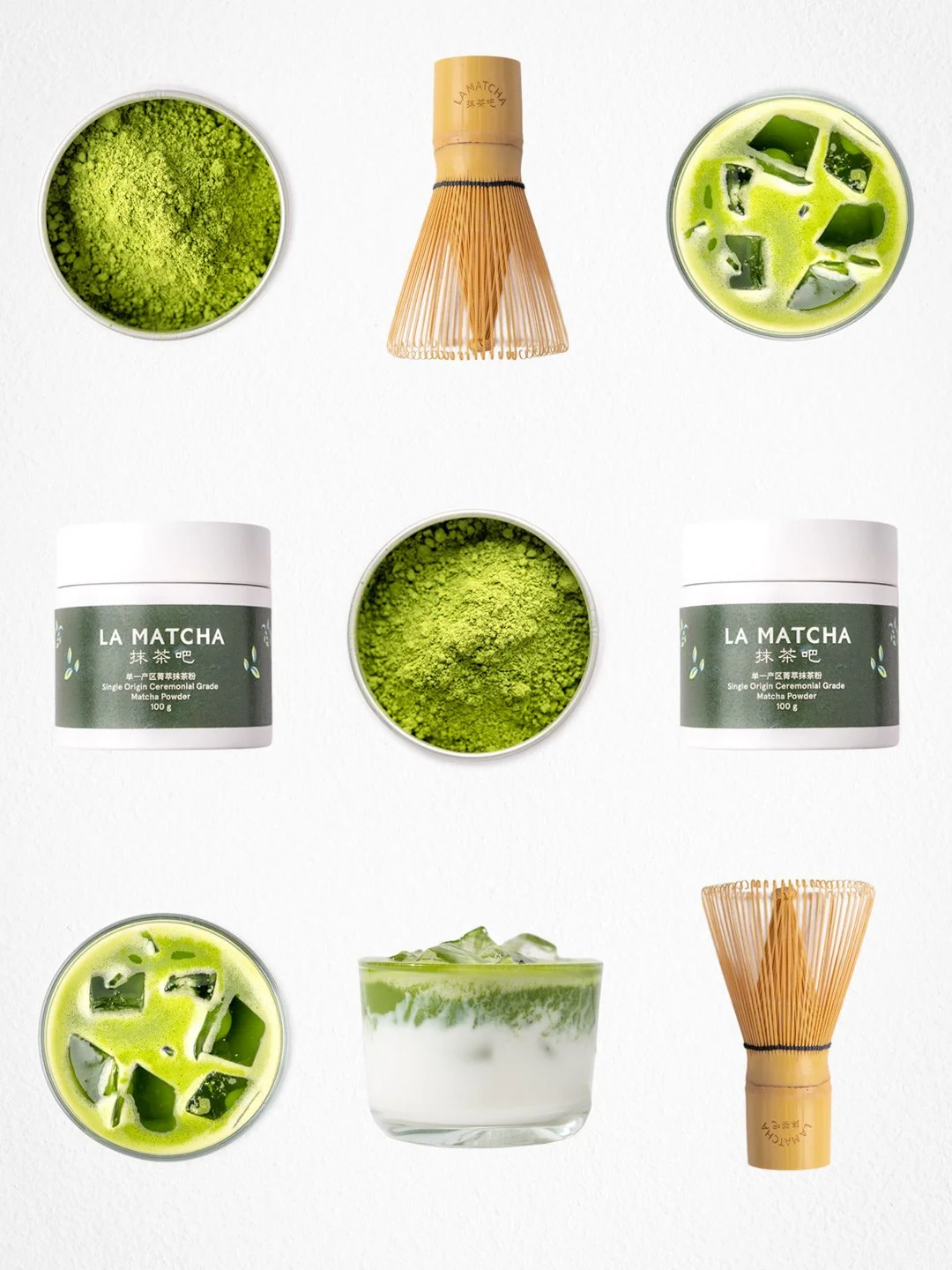
La Matcha Chinese matcha powder and products are available for wholesale, retail, and café buyers
8. What La Matcha Offers International Buyers
La Matcha is now developing its international wholesale direction for buyers outside China.
We are especially suitable for:
Cafés looking for matcha powder for drinks and lattes
Retailers looking for Chinese matcha powder products
Hotels and restaurants creating modern tea or wellness menus
Bakeries and dessert brands using matcha as an ingredient
Lifestyle stores looking for matcha powder and accessories
Distributors interested in China-grown matcha
Brands exploring private-label or collaborative matcha products
Our approach is simple:
Chinese matcha.
Modern lifestyle.
Premium, but not complicated.
Made for daily rituals.
We believe the next chapter of matcha will not only be about where matcha has been popularized. It will also be about where matcha can grow, scale, and evolve.
China has a meaningful role to play in that future.
And La Matcha is here to help bring China-grown matcha to cafés, retailers, and buyers around the world.
Wholesale Inquiries
If you are looking for China-grown matcha powder for cafés, retail, hospitality, food service, or product development, La Matcha is open to international wholesale inquiries.
Contact us for samples, product details, pricing, and partnership opportunities.